
Which Roofing System Makes More Sense for Your Building?
If you are choosing between single ply roofing and traditional roofing materials, the short answer is this: single ply roofing is lighter, faster to install, and often better for flat or low-slope roofs, while traditional systems like asphalt, built-up roofing, or metal can offer a thicker, long-tested build. The right choice depends on your building type, budget goals, and how long you plan to stay in the space.
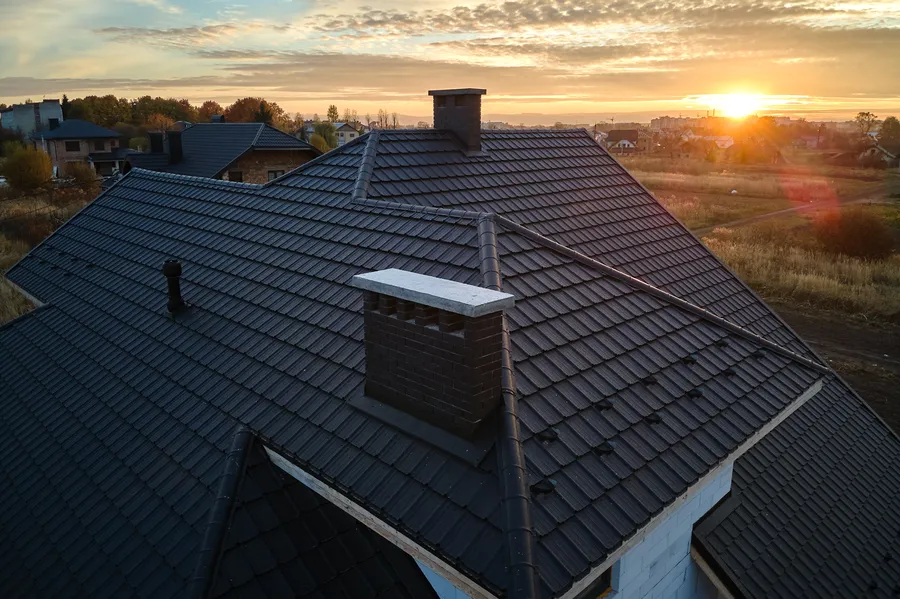
How Single Ply Systems Compare to Traditional Options
single ply roofing is a membrane system. It is usually made from synthetic materials like TPO, PVC, or EPDM. These sheets are rolled out and attached to the roof deck. Seams are sealed with heat or adhesive.
Traditional roofing materials often include asphalt shingles, modified bitumen, built-up roofing (BUR), or metal panels. These systems tend to use multiple layers or thicker materials.
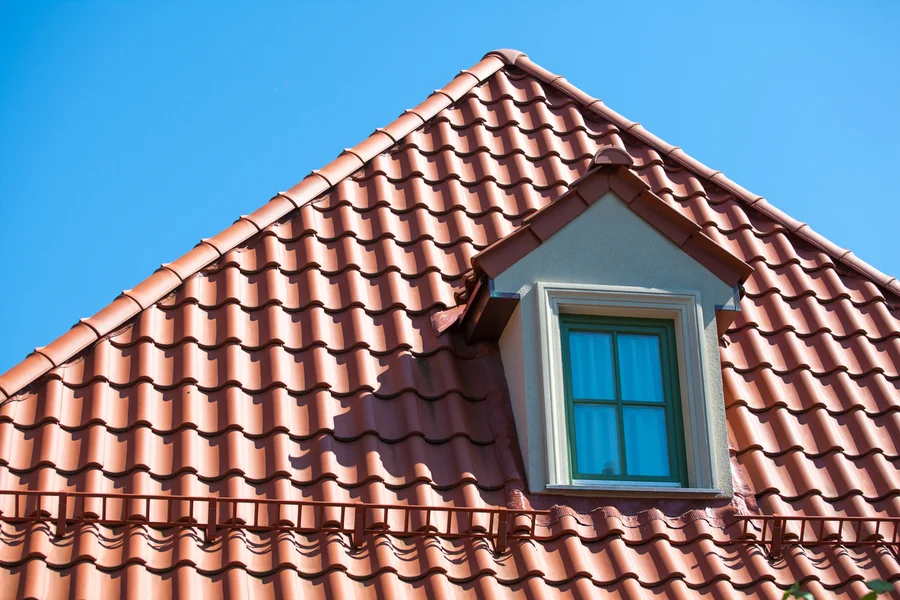
The biggest differences come down to weight, installation method, and roof slope. single ply roofing works best on flat or low-slope roofs. Shingles and some metal systems are better for steep-slope structures.
Pros and Cons of Each Roofing Type
Both systems have strengths and trade-offs. Here is a simple breakdown.
- single ply roofing pros: lightweight, flexible, quick installation, strong resistance to UV rays, clean look on commercial buildings
- single ply roofing cons: can be punctured if not protected, may not suit steep-slope roofs, quality depends on installer skill
- traditional roofing pros: time-tested materials, thicker layered protection in some systems, wide style options for homes
- traditional roofing cons: heavier, longer install time, can trap heat depending on material
In a commercial roofing setting, many property owners prefer single ply roofing because it covers wide areas with fewer seams. Fewer seams can mean fewer leak points when installed the right way.
Best Choice Based on Building Type and Goals
If you own a retail center, warehouse, or office in Hilton, NY, single ply roofing is often a practical fit. It works well on large, flat roofs and can reflect sunlight, which may help with indoor comfort.
If you have a residential home with a steep slope, asphalt shingles or metal panels may fit better. These materials shed water quickly and match common home designs.
Think about your long-term plans too. Are you keeping the property for decades? Are you planning to sell in a few years? Some buyers like the track record of traditional systems. Others like the energy performance of modern membranes.
Mistakes People Make When Choosing
One common mistake is picking a system based only on upfront cost. A lower material price does not always mean lower total cost. Labor, insulation, and future repairs all matter.
Another mistake is ignoring the roof slope. Not every material works on every pitch. Installing shingles on a nearly flat roof can lead to water problems. Using the wrong membrane thickness can also reduce lifespan.
Some owners also forget about building use. A restaurant with rooftop units may need a system that handles foot traffic better. A storage building may need strong seam protection against standing water.
Decision Checklist Before You Commit
Before choosing between single ply roofing and traditional roofing materials, review this simple checklist:
- What is the slope of your roof?
- How large is the roof area?
- Do you need energy efficiency or heat reflection?
- Will there be regular rooftop foot traffic?
- What is your long-term ownership plan?
- Is the installer experienced with this specific system?
Answering these questions can narrow your options fast. It also helps you have a clear talk with your contractor.
Talk With a Local Roofing Team About Your Options
Choosing the right system is easier when you have clear facts and local guidance. In Hilton, NY, weather patterns and building codes can affect your final choice. At TG Home Improvement Inc, we help property owners compare systems based on real-world needs, not sales pressure. We review roof slope, structure, and long-term goals before making a recommendation. If you want to discuss your project, call us at (508) 857-9366 and we will walk through your options together.